top of page

The Science of Kidney Disease
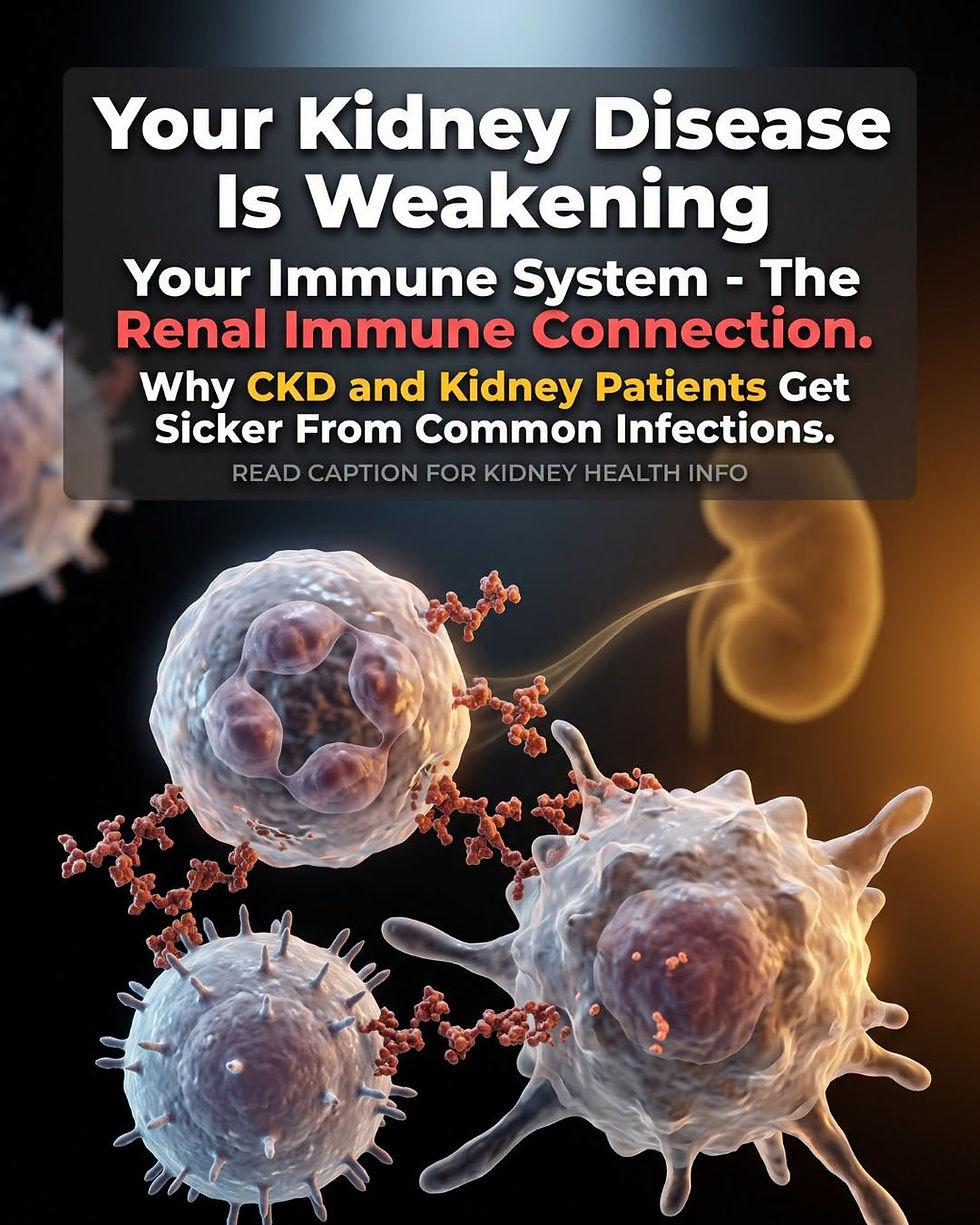
Most kidney patients understand intuitively that they get sicker from infections than people around them.
A flu that a family member shakes off in five days becomes a two-week illness for the person with CKD.
A urinary tract infection that would be managed with a short antibiotic course in a healthy person can trigger acute kidney injury and hospitalisation in a CKD patient.
A wound that heals quickly in a healthy person heals slowly and sometimes incompletely in someone on dialysis.
This experience is real, and it has a specific biological explanation.
UREMIC IMMUNODEFICIENCY
One of the most exciting and rapidly evolving areas of kidney disease research is not about the kidneys at all - at least not directly.
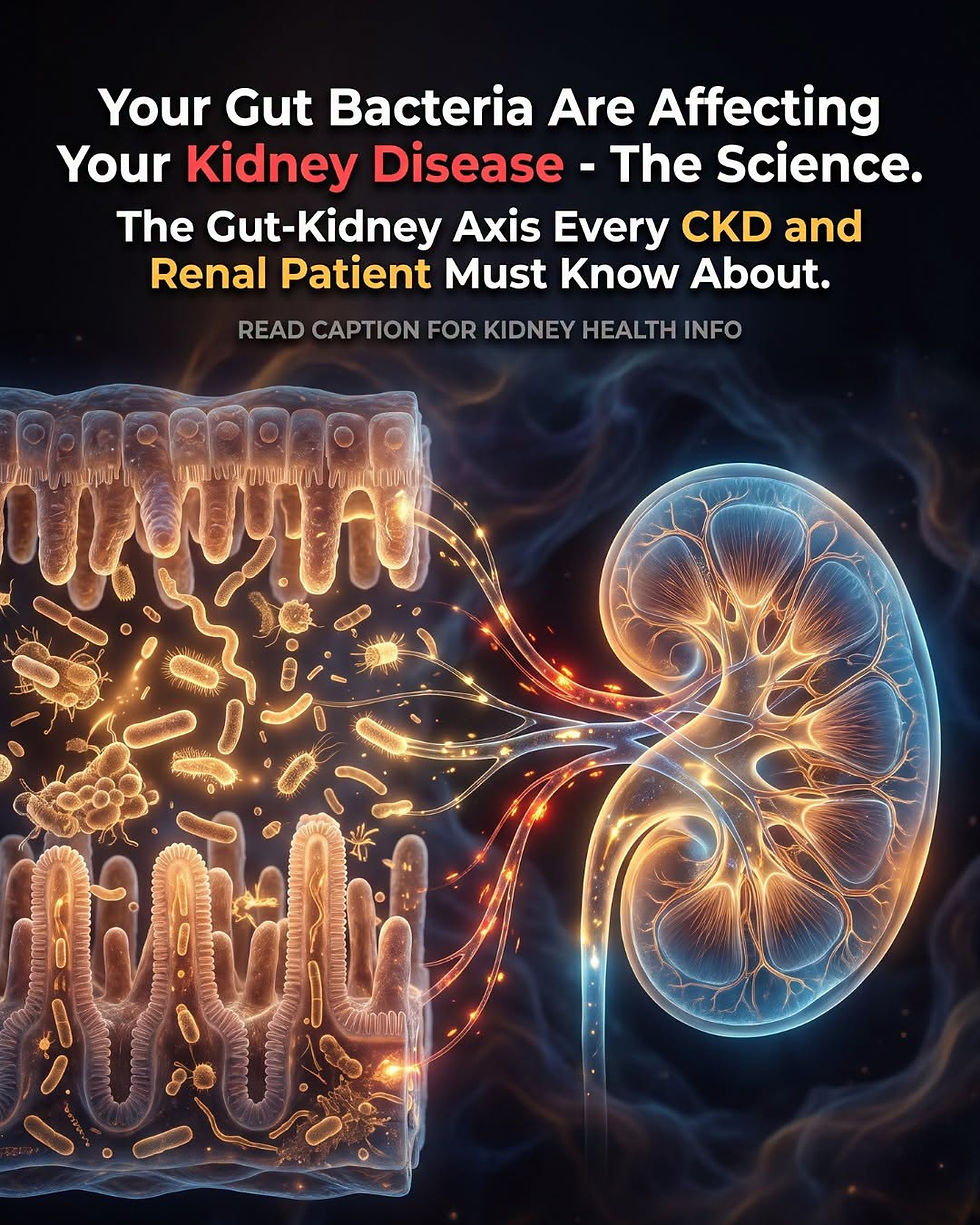
It is about the gut. Specifically, it is about the trillions of bacteria, fungi, and viruses that inhabit the human gut - collectively called the gut microbiome - and the increasingly well-documented bidirectional relationship between gut microbial health and kidney function.
This field is called the gut-kidney axis, and it is changing how researchers think about CKD progression, uremic toxin accumulation, and potentially therapeutic approaches to kidney disease.
GUT-KIDNEY AXIS
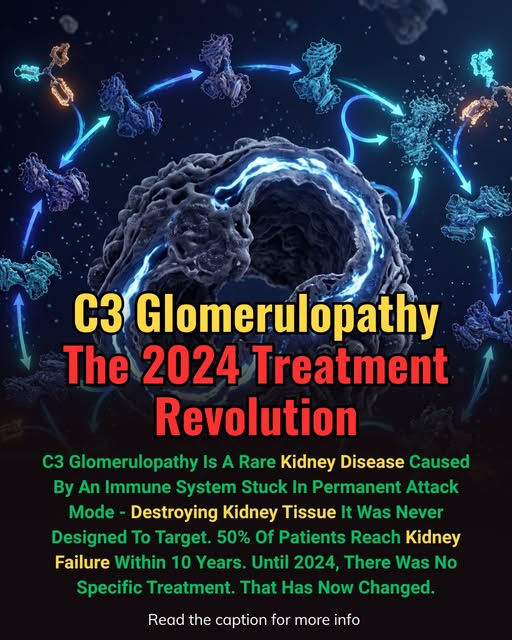
THE IMMUNE SYSTEM IS ONE OF THE MOST SOPHISTICATED BIOLOGICAL SYSTEMS KNOWN. IT IS ALSO, WHEN IT GOES WRONG, ONE OF THE MOST DESTRUCTIVE.
In C3 glomerulopathy, the immune system's complement cascade — a rapid-fire sequence of protein activation designed to identify and destroy pathogens — becomes dysregulated.
bottom of page